A 44-year-old woman begins to complain of lower back pain during a private yoga session. The pain is on one side of the lower back and travels down the leg, and she is unable to continue the class. She is physically active and plays tennis for long hours. Her pain is made worse by flexion of the lumbar spine, and by twisting, bending or coughing. As her yoga teacher, how would you help her?
It is common to mislabel any low back pain or radiating leg pain as sciatica. As a yoga therapist, the following differential diagnoses should be kept in mind — and it is wise to think of the common causes first.
Differential diagnosis
Common
- Nerve root impingement
- Muscle spasm
- Piriformis syndrome
- Herniated lumbosacral disc
Uncommon
- Epidural abscess
- Epidural haematoma
- Tumour
- Pott’s disease (spinal tuberculosis)
Assessment and immediate care
After a detailed history and physical examination, the following steps should be taken.
Immediate relief. Apply hot or cold packs to reduce discomfort and inflammation.
Counselling. Reassure the student: the pain she is describing is most likely due to inflammation, irritation or pressure on the sciatic nerve. The treatment of sciatica is multidisciplinary — a team that may include a doctor, a yoga therapist and a physiotherapist.
Yoga therapy has the added advantage of being a complete mind–body system. It works not only on the targeted area — the sciatic nerve and the muscles it supplies — but on all the muscle groups and on the mind, easing both the physical and the psychological strain that accompanies any condition. In most cases the pain resolves within four to six weeks.
For the recovery period, advise the student to:
- rest, and avoid playing tennis for the next two weeks;
- avoid prolonged sitting or standing;
- practise light exercise such as walking or swimming;
- use NSAIDs (a short course) or muscle relaxants for pain if needed — though these are best avoided where possible.
When to refer to a doctor
Refer the student to a doctor if the pain persists for more than six to eight weeks despite yoga therapy and oral pain relief. This is important in order to rule out other, more serious conditions that can present like sciatic pain.
The straight-leg raise test
A yoga therapy session can be planned once the pain is bearable. Beforehand, a straight-leg raise (SLR) test can help confirm a musculoskeletal cause. If the SLR suggests lumbar disc herniation, referral to a doctor for imaging is warranted.
The test is performed with the student lying relaxed in a supine position. Holding the back of the thigh, lift the leg while keeping it straight. Pain reproduced between 30° and 70° of hip flexion, and felt mainly in the back, is likely due to a lumbar disc herniation. Pain reproduced above 70° or below 30° of flexion is most likely benign and musculoskeletal, and yoga therapy is recommended.
To encourage good, erect posture, invite the student to attend back-care classes, and to avoid twisting or bending forward while there is pain.
The yoga therapy session
The following sequence can be taught in a group or private back-care class to address sciatic pain.
1. Gentle warm-ups (10–15 minutes)
Toe bending, ankle rotation, knee bending, knee rotation, hip rotation and gentle leg raises — 5–10 repetitions of each.
2. Therapeutic asanas (20–25 minutes)
- Marjariasana (Cat–Cow stretch) — 10 repetitions
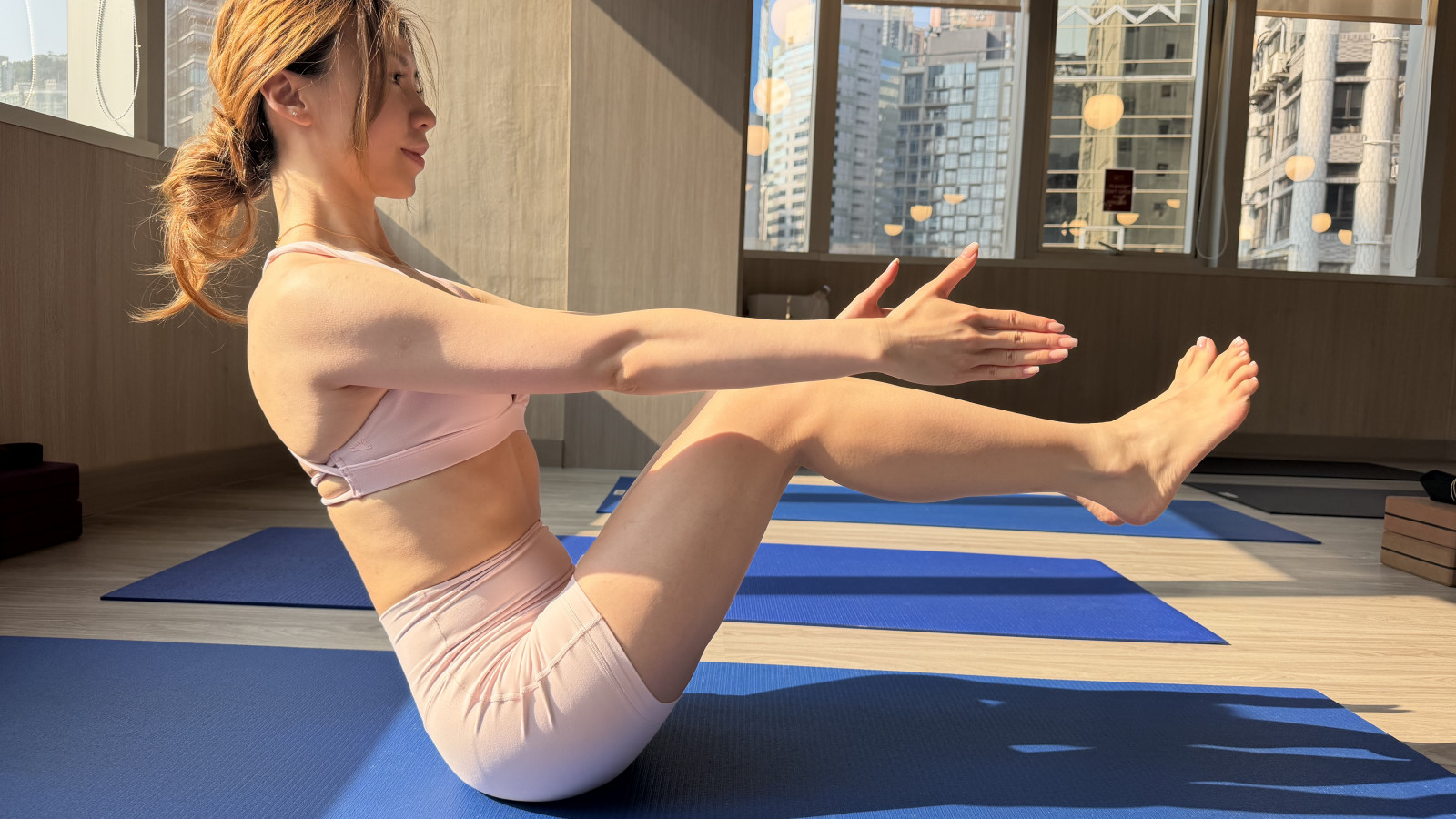
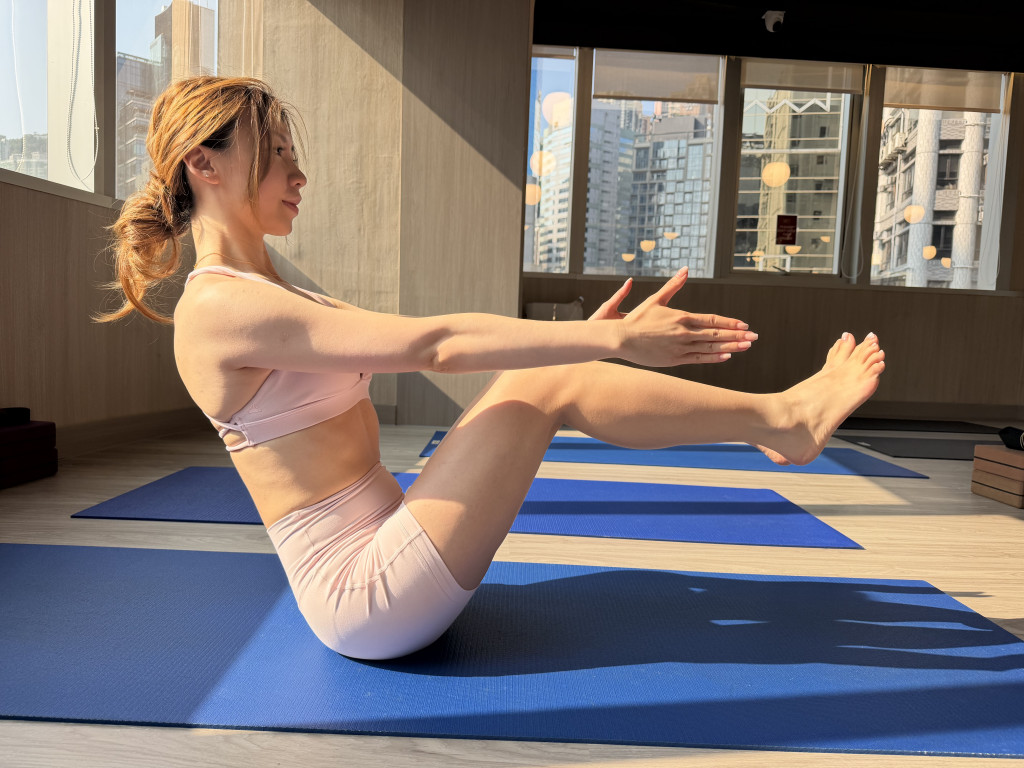
- Naukasana (Boat pose) — hold 15–20 seconds, 3–5 rounds
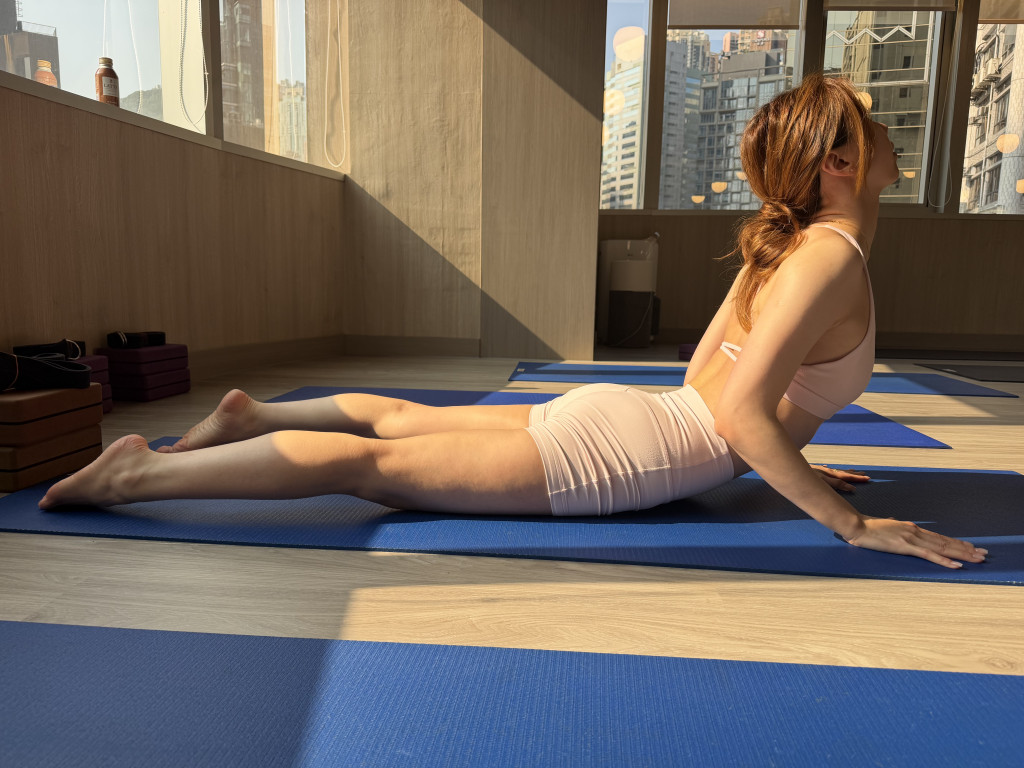
- Bhujangasana (Cobra pose) — hold 15–20 seconds, 3–5 rounds
- Makarasana (Crocodile pose) — 2–3 minutes
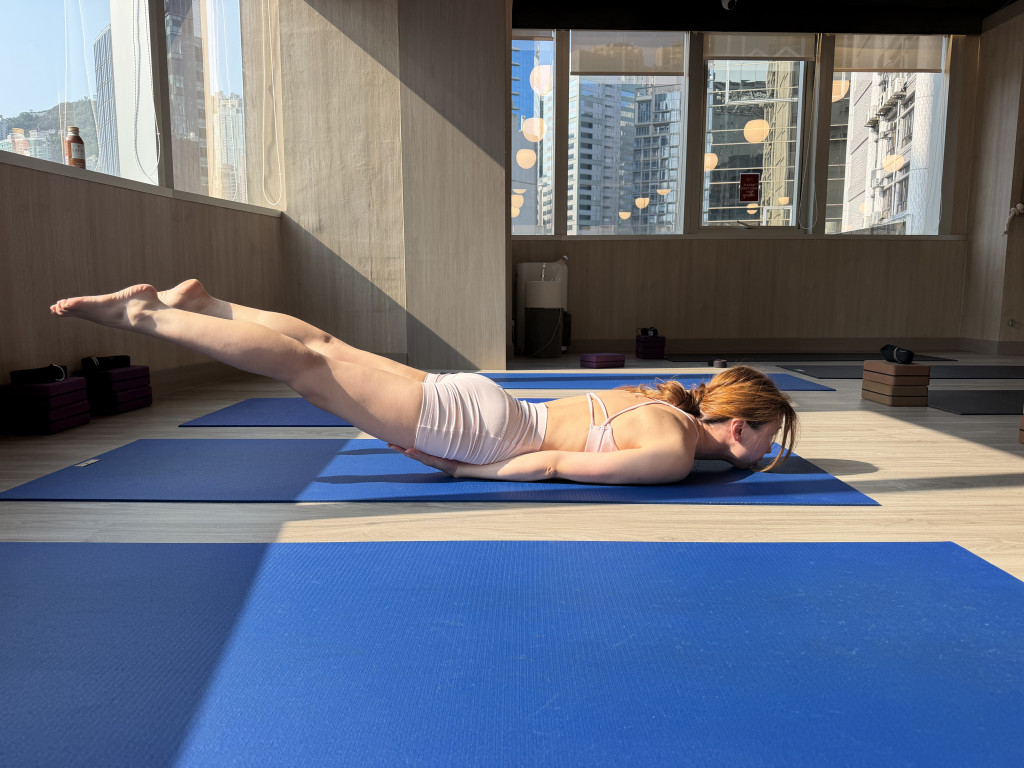
- Shalabhasana (Locust pose) — hold 10–15 seconds, repeated three times
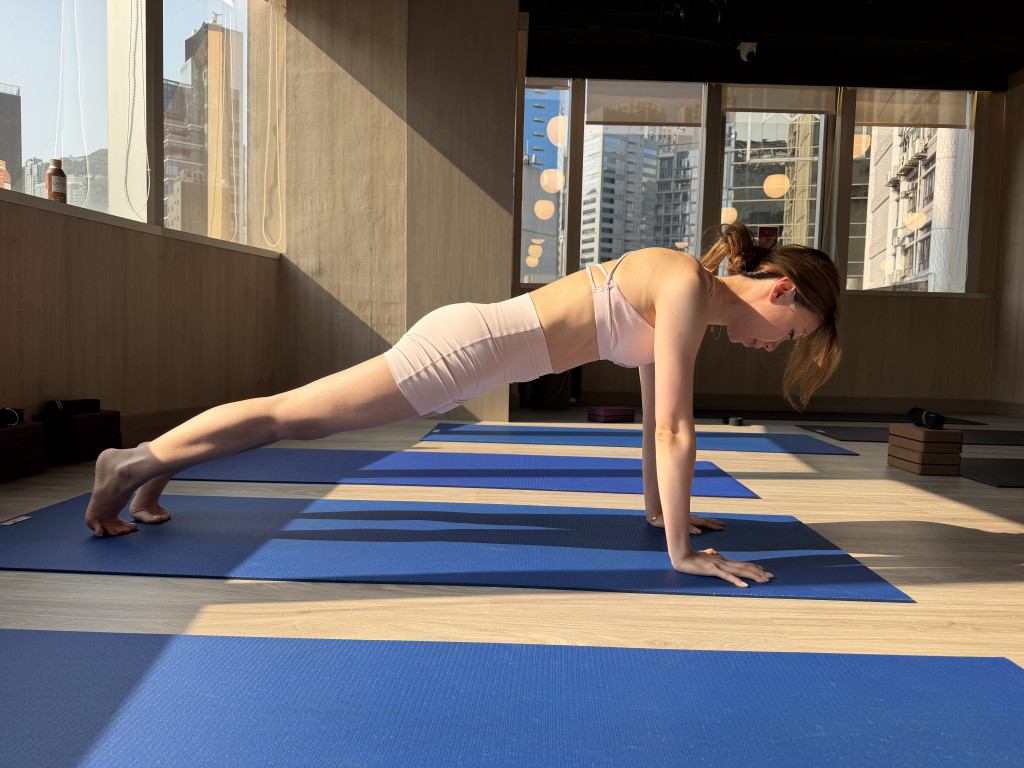
- High plank — hold 15–20 seconds, 3–5 rounds
- Ardha Matsyendrasana (half spinal twist) — 15 seconds on each side (avoid if twisting causes pain)
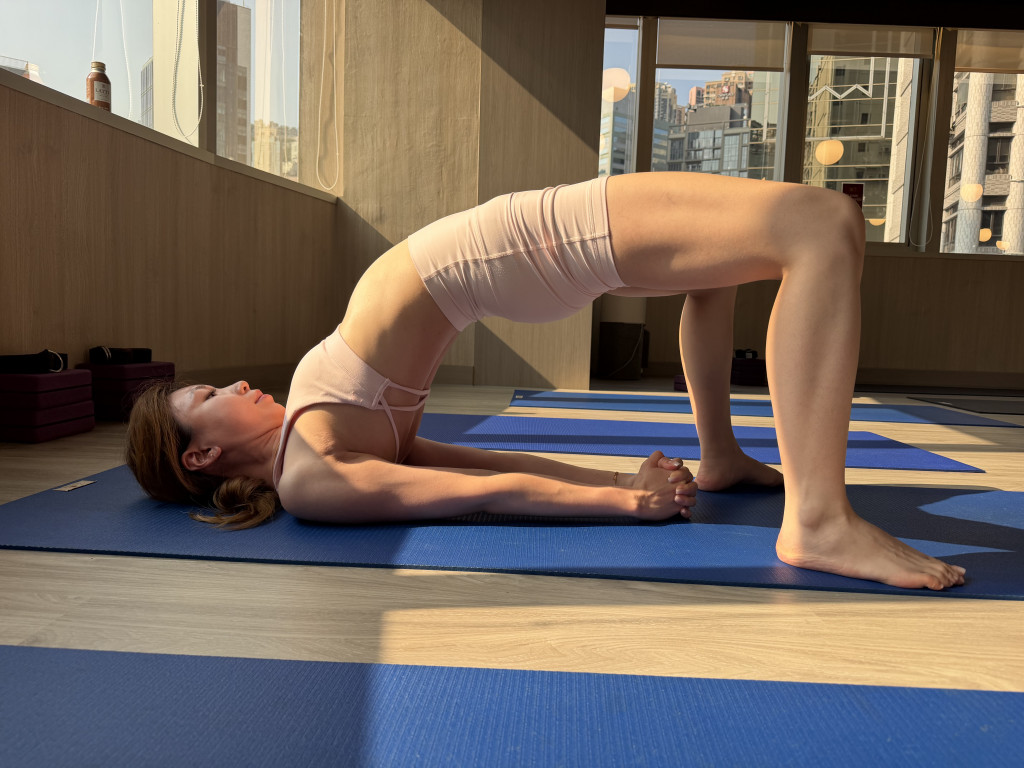
- Setubandhasana (Bridge pose) — hold 20 seconds, repeated three times
The poses below are demonstrated by Lam Michelle Monroe.
3. Pranayama (10–15 minutes)
- Nadi Shodhana pranayama
- Bhramari pranayama — 5 minutes daily
- Deep breathing — 5 minutes daily
4. Relaxation
Yoga Nidra — 20 minutes daily.
About the practitioner
The asanas in this article are demonstrated by Lam Michelle Monroe. Michelle has been practising yoga for over three years and completed her RYT-200 training at Anahata Yoga. She practises regularly to stay consistent and to build a deeper connection with her practice. She values yoga for the way it calms her mind and sharpens her focus through meditation, while also challenging her physically — building strength, flexibility and balance through varied poses and flows. Exploring different styles and movements helps her grow both mentally and physically, and yoga has become an important part of her wellness routine and a source of continuous personal development.


